Request Information QSAR Flex Evaluate complex toxicological endpoints

Now available as a web app!

One program with multiple in silico tools for approaching complex risk assessments using a weight of evidence approach.

NEW! Bioavailability Prediction

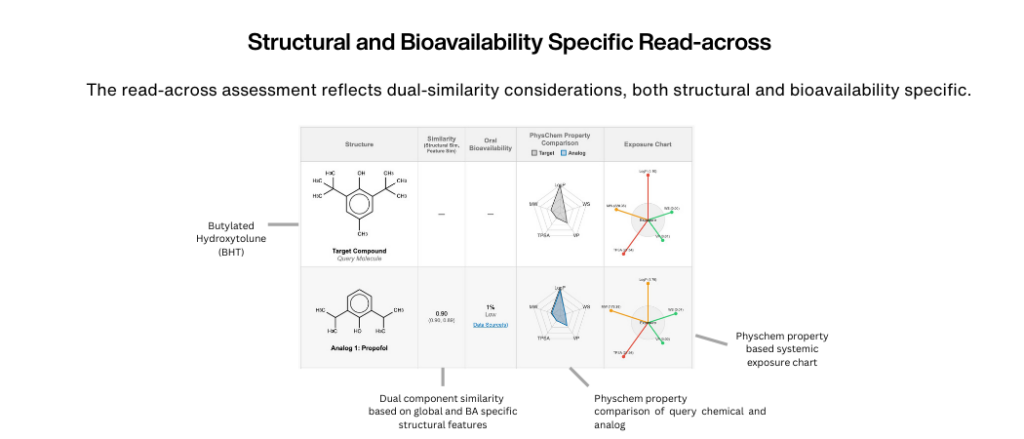
Using a multi-method approach, the QSAR Flex Bioavailability Module estimates the oral bioavailability of trace impurities and extractables and leachables, a key factor in toxicity evaluations for container systems and medical devices.

Curated Databases

Oral Bioavailability Data: 1594 compounds.

Human Liver Microsomal Metabolism (HLM) Data: 4637 compounds.

CYP Substrate Datasets: CYP3A4 (2601), CYP2D6 (2249), CYP2C9 (2209)

MDR1 (P-gp) Substrate Data: 539 compounds

Supplemental Assessments

Human Liver Microsome (HLM) Stability

QSAR Model

Values reflect the likelihood that the compound may undergo rapid metabolic degradation, primarily via Phase I oxoreductive pathways involving enzymes such as cytochrome P450s, flavin monooxygenases, esterases, and epoxide hydrolases.

MDR1 (P-gp) Substrate Potential

QSAR Model

Estimates the likelihood that the compound functions as a substrate for key solute carrier (SLC) and ATP-binding cassette (ABC) transporters, factors that shape its intestinal absorption, systemic distribution, and clearance.

CYP Substrate Potential

QSAR Models: CYP3A4, CYP2D6, CYP2C9

Values represent the likelihood that the compound is a substrate for major human cytochrome P450 enzymes.

Formulation Vehicle Effects

Expert Rule-Based

Assesses how different formulation vehicles may influence the compound’s oral bioavailability, based on its physicochemical properties and known formulation behavior patterns.

FlexFilters Methodology

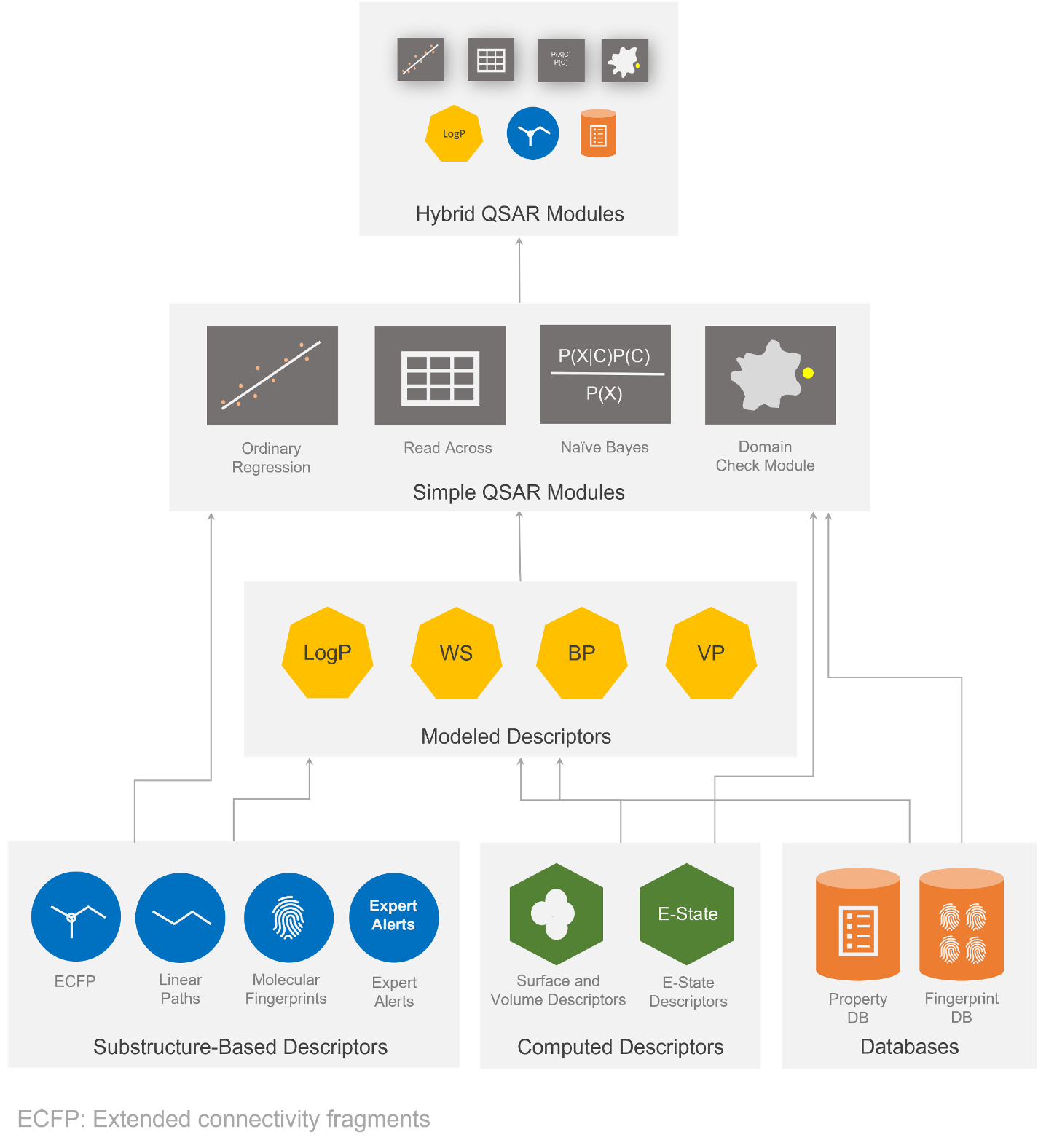
The FlexFilters platform enables the user to execute and integrate various computational toxicology tasks including read-across, molecular fragment handling, descriptor calculations, QSAR modeling, and predictions.

Endpoints and Models

Evaluate the following endpoints with QSAR Flex:

Oral Bioavailability Assessment for Toxicity Evaluation

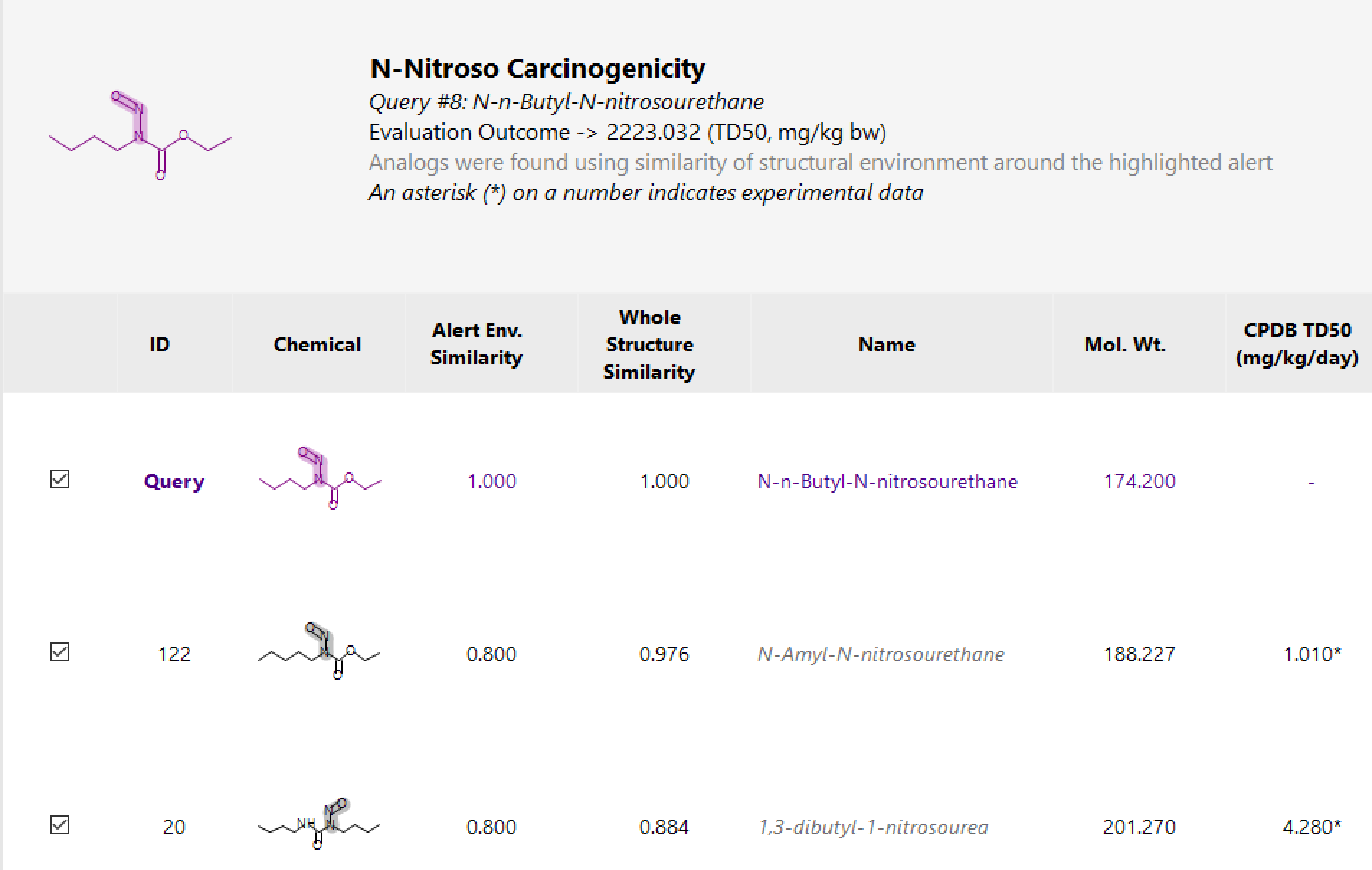
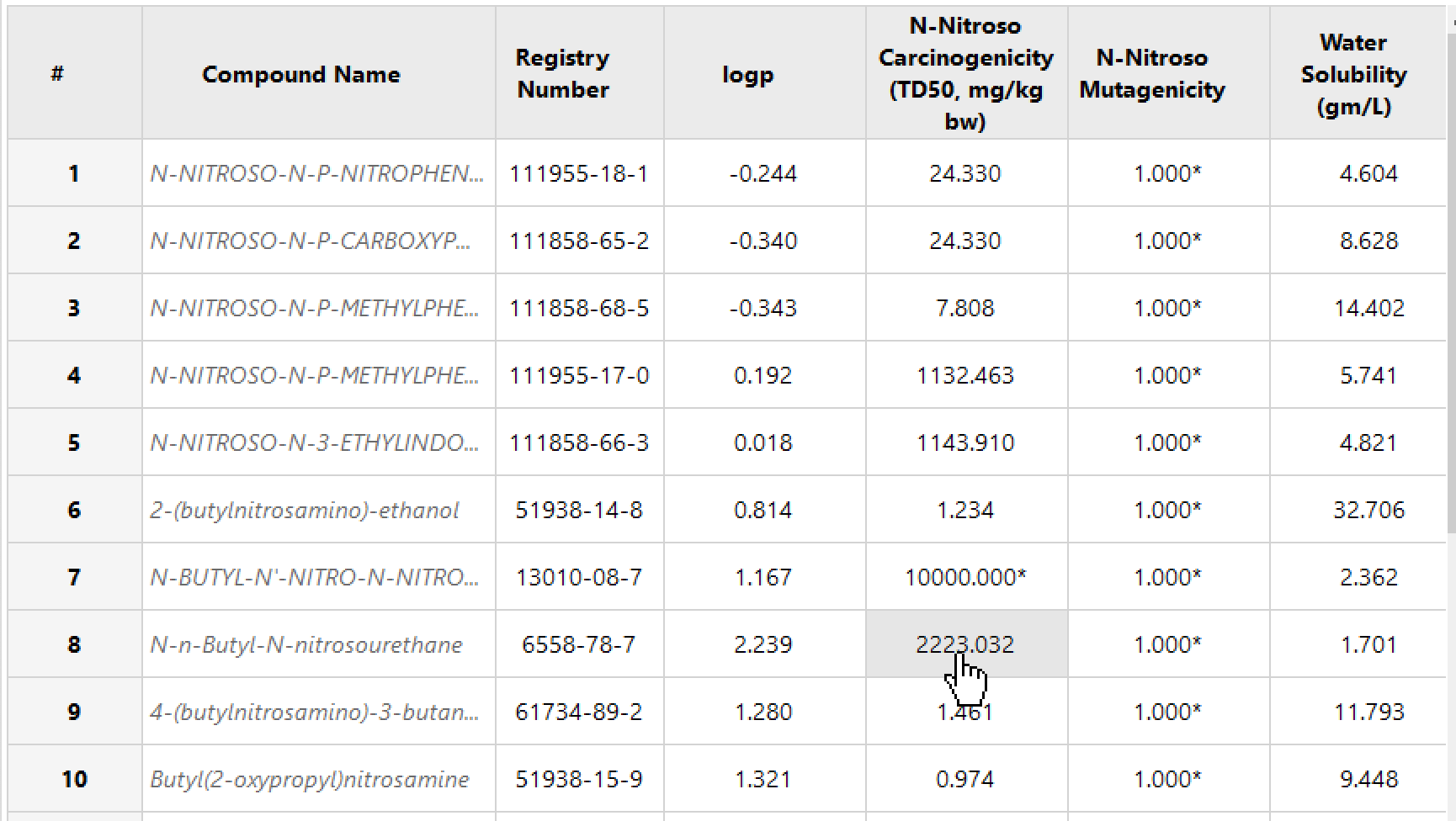
Carcinogenic Potency of N-Nitrosamines more

Molecular Properties

Ecotoxicity

Supporting Evidence
Data Curation

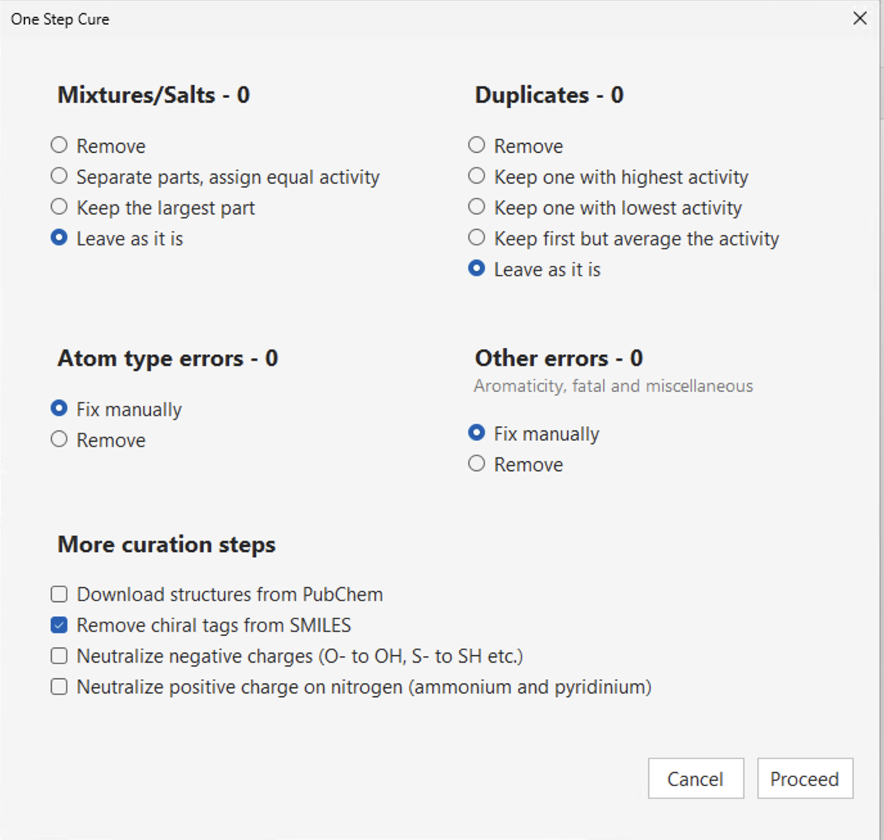
Curation of chemical data is a crucial starting step in any workflow and is carried out in QSAR Flex using the DataKurator tool.

Annual License

for routine testing needs
  • Unlimited Queries
  • Yearly Renewal
  • Local Installation
  • Software Updates Included
Best Value

Consulting

for minimal testing needs
  • Results and Reports Provided
  • Optional Expert Review
  • No Installation Required
  •  

License packages are customized to meet the needs of the user. Factors that affect pricing include length of license, number of endpoints, and number of users. Please contact us to request a quote.
Related Research

2022, Collaboration, Poster, QSAR Flex

Assessing Carcinogenic Potency of Untested Nitrosamines

21 Mar 2022

The carcinogenic potency of untested nitrosamines were identified with the help of surrogates....

2022, Poster, QSAR Flex

A New Structural Similarity Method to Identify Surrogate Compounds for Assessing the Carcinogenicity of Nitrosamine Impurities

21 Mar 2022

This study sought to develop a computational local similarity method to more objectively and efficiently calculate...

2020, Poster, QSAR Flex

FlexFilters: A Scalable and Flexible QSAR Platform for Addressing Complex and Diverse Types of in Silico Safety Assessment of Chemicals

21 Mar 2020

A software platform to handle a variety of QSAR tasks....

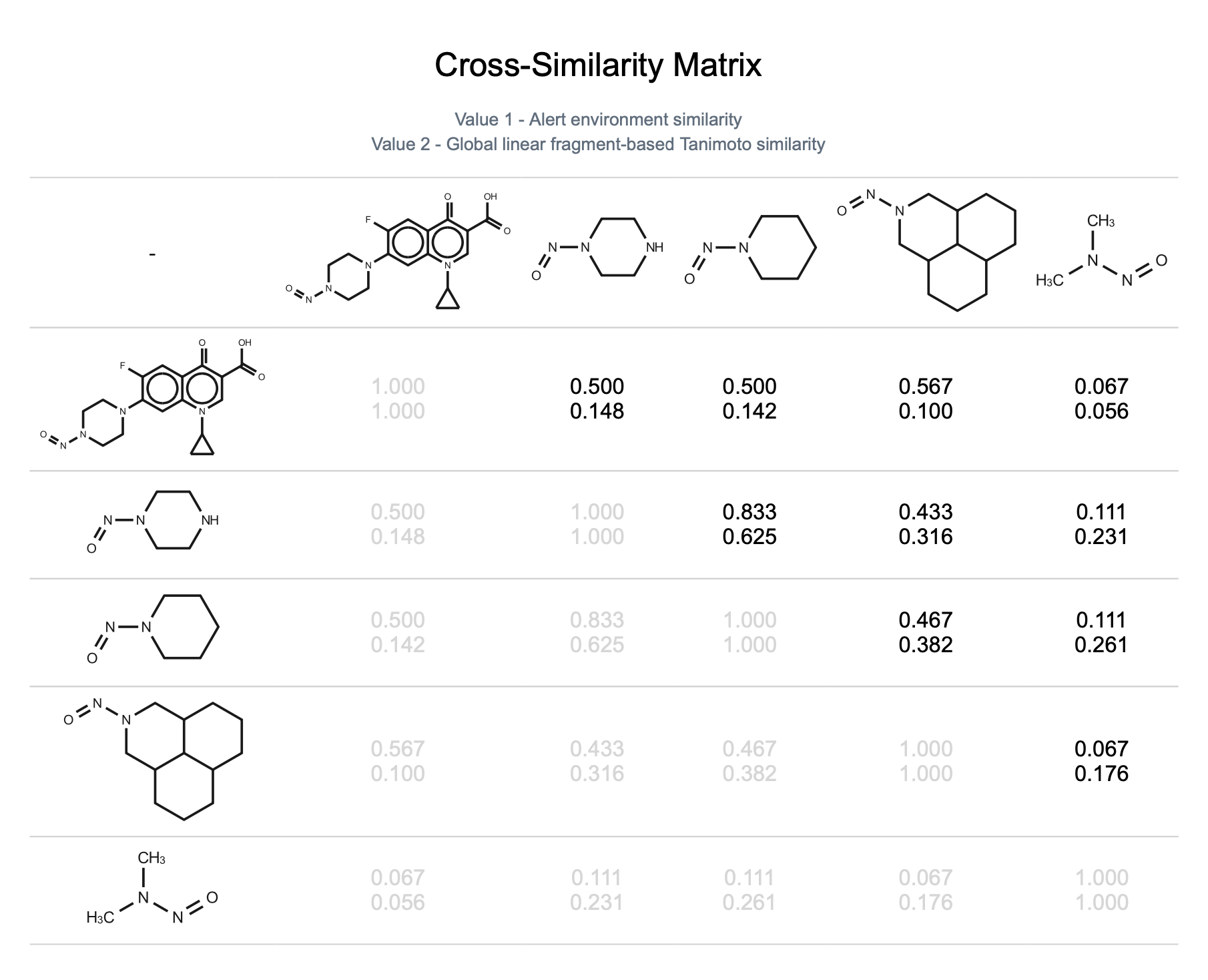
Search for surrogates based on whole structure similarity or localized, fragment-based similarity.

Batch processing for analog-based assessments.

Analyze surrogate similarity using the Cross-Similarity Matrix.

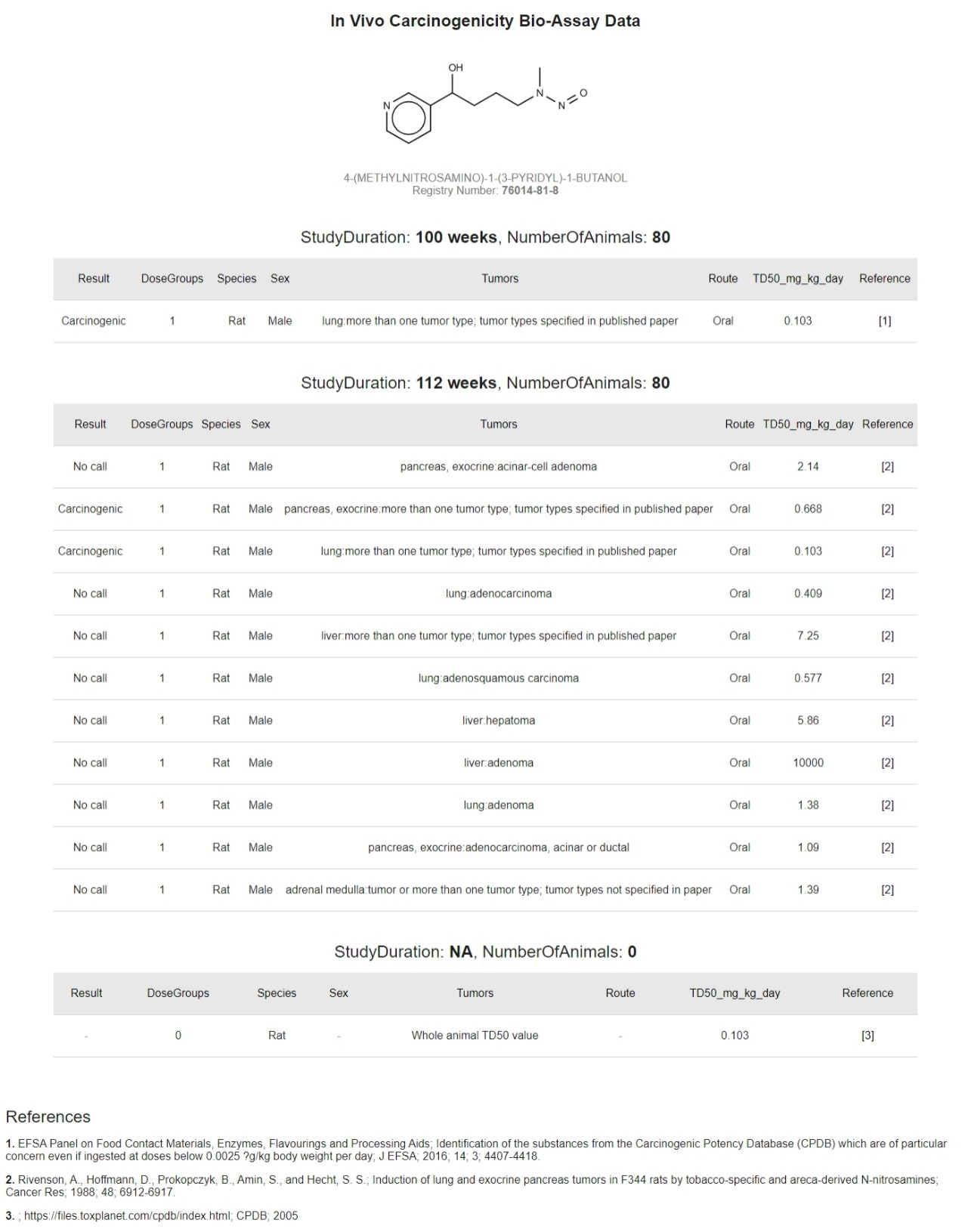
Investigate experimental data of surrogates.

Now Available!

Access QSAR Flex online!

Interested in trying the QSAR Flex Web App?
Click the link below to request access!